Make better orders in bars and restaurants
By reading my post, you will better understand why you might change your mind when ordering beverages and food in a restaurant with friends, which may affect your enjoyment of your order. And how to block this irrational behaviour and enhance your overall dining experience.
Read on or watch me talk about this on my Human Enhancement With Konstantin Nikkari Youtube Channel: https://youtu.be/c3H-e5yjXb4
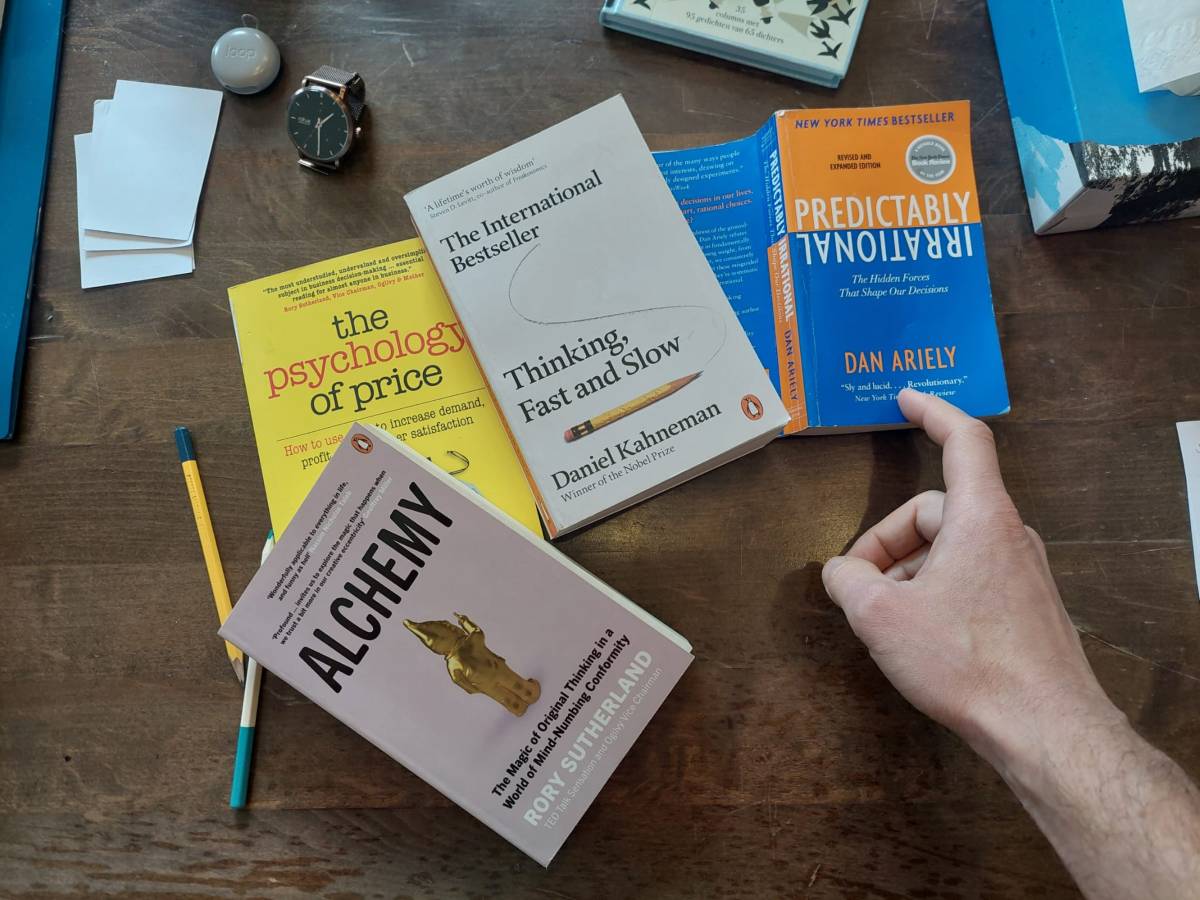
Some weeks ago I ordered a handful of books from a webshop. Those books were for my profession as a visual marketer. You see, I was doing a price update for my client, and we had good discussions about how it should be correctly made. Since not all topics we talked about were too certain for me, I decided to buy this list of books:
- Alchemy: The Magic of Original Thinking in a World of Mind-Numbing Conformity
- Predictably Irrational: The Hidden Forces That Shape Our Decisions
- The Psychology of Price: How to Use Price to Increase Demand, Profit and Customer Satisfaction
- Thinking, Fast and Slow by Daniel Kahneman
For this post I would like to share with you my reasoning for the Predictably Irrational book's final chapter, "Beer and Free Lunches". The chapter is built around a story, research questions, results, practical thinking, and suggestions. The author of the book, Dan Ariely, and his friend Jonathan Levav wanted to know if bar or restaurant clients, when making orders sequentially, influence their choice by what the others around them order. More specifically, does this encourage patrons to order the same or a different product than their friends? And if the patrons got influenced by others, would their changed actions make the ordered product feel better or worse?
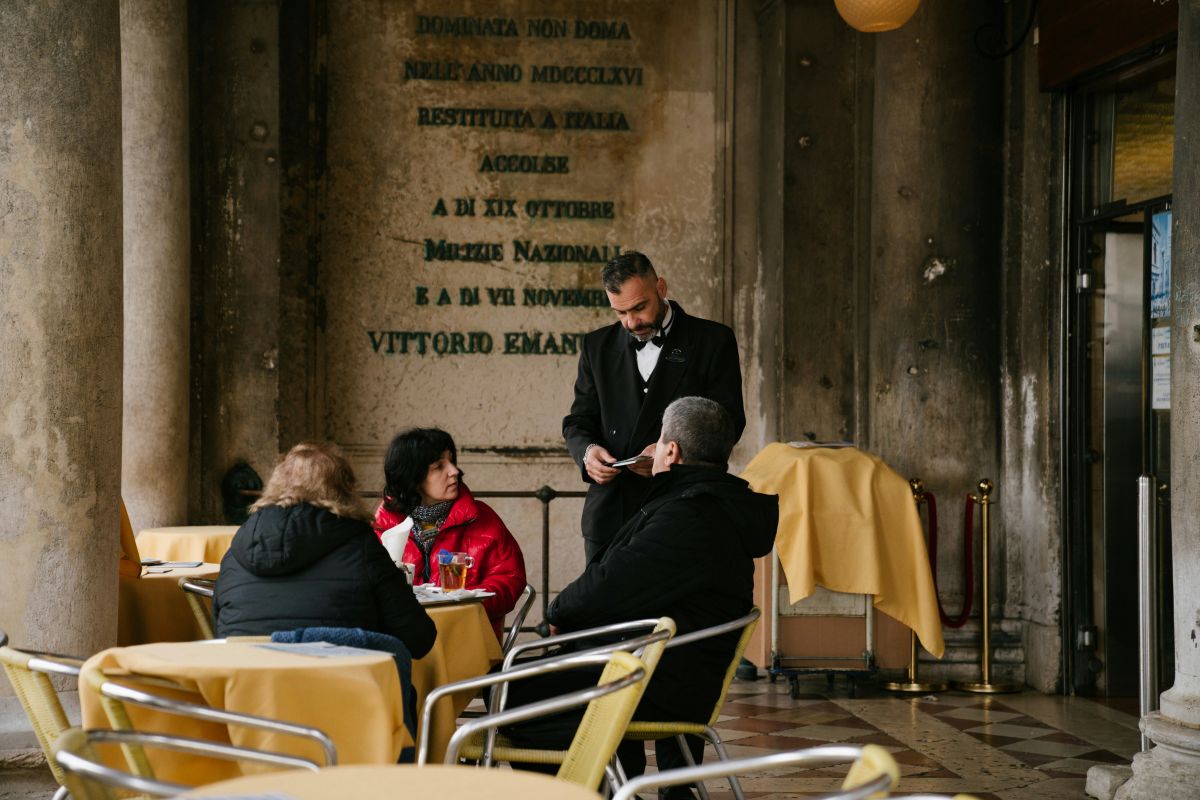
Ariely and Levav found results intriguing for anyone who likes to go to pubs and restaurants. They conducted the research across 100 tables. A server approached 50 tables, asked for their orders, and received them out loud. The other 50 tables were asked to write down their orders in private and then hand them in on paper. Each table was also given a questionnaire which measured whether the person liked their beer or not. What Ariely and Levav found is that when people order out loud, they choose differently than when they order in private. Furthermore, the loud order group ordered more variations of beers at the table. Ariely and Levav offered a possible explanation: that people often like to express that they have "a mind of their own" when they hear that the table has ordered too many similar beers or that the one they wanted to have was already taken. By ordering a unique product, the clients portrayed their uniqueness by having not the one they originally wanted but rather the one that conveyed their individuality.
If people tend to choose a beer that no one has chosen simply to convey uniqueness, it is quite likely that they will not enjoy that beer as much as they would have enjoyed their preferred choice. This was true according to the results. Ariely and Levav found that those who made choices out loud did not enjoy, on average, their beers as much as those tables who ordered on paper in private. There was one important outlier among the out-loud tables: the first person to loudly make an order did enjoy their beer just as much as those who ordered in private. They were the happiest of their group and just as satisfied as the order-on-paper group.
Ariely and Levav then continued their trial to explain this interesting phenomenon. For this, they conducted another study which gave correlational results connecting the desire to order something different from what others had not yet ordered with a personality type Ariely and Levav describe as having a "need for uniqueness". If you recognise such traits in yourself, then my message here is especially beneficial. People seem to order food for two goals: to order what they will enjoy most and to portray themselves in a positive light in the eyes of their friends. Which is such an interesting behaviour among people, particularly among those who have a high need for uniqueness, to sacrifice personal preference for the sake of reputational utility.
This study was conducted in western society, which generally approves and even motivates uniqueness. But in Eastern cultures such as Hong Kong, the phenomenon of ordering something you don't like works vice versa. People who ordered out loud tended to order the same product as their friends, simply to pleasantly show they are part of the group, making the same ordering mistake as their western counterparts and ending up not enjoying the taste as much as they could have.
Finally, I would like to tell you how to avoid this common irrational behaviour and how to more often get dishes and drinks that will bring you greater value for your money. Make and keep your mind on a decision about what you want before the waiter approaches your table. Being swayed by other people's decisions might shift you to worse alternatives and also introduce a dose of envy; that’s something that I often hear among Finns: annoskateus. If you think that you will be swayed away from your decision after hearing what others have ordered, a suggestive tactic by Ariely and Levav is to announce your order out loud: "I'm going to order pilsner!" This way you will most likely have to keep to your announcement; otherwise, if you change your order, you not only signal lower personal uniqueness but also moody behaviour. Of course this only works in Western cultures, as in Eastern cultures you would have to listen to what others order and pick that same order, that is, if you want to be part of the group there. And the final suggestion for making better personal orders is to make your order first.
What could restaurant owners learn from this study? That if they provided clients a silent way of ordering, it should bring more taste satisfaction among tables. We do pay a lot of money for the pleasure of dining. But imagining a servant approaching with a deck of paper and pens, or even having these tools on the table… wait! Why don't restaurants have a deck of small index-card-sized papers and pens!? That would be so easy: the server comes to the table asking if the guests are ready, then simply picks up the papers. But I am getting off track here. So, imagining a server staying next to the table and waiting for clients to write is slow service. We do have restaurants which collect order data over QR codes and mobile apps. But these restaurants I find emotionally cold and cumbersome. In a restaurant, I not only want freedom from cooking but also freedom from screen time. I would much more prefer to say my order out loud. That is easier, better for the eyes, and allows interaction with a human, and especially now that I understand our dining-order behaviour when ordering out loud, I can benefit from having a tastier dining experience.